
Education in Sierra Leone: Why Health and Physical Education Matter
Education plays a vital role in shaping the future of any nation. In recent years, the focus of education in Sierra Leone has expanded beyond traditional academic subjects to include areas that support students' overall development. Among these, Health Education and Physical Education have become increasingly important. These subjects help students build healthy lifestyles, develop discipline, and understand the importance of caring for their bodies and minds.
Schools like Choithram International School understand that modern education should not only focus on textbooks but also on physical and mental well-being. By integrating health education and physical education into their curricula, institutions can prepare students for healthier, more balanced lives.
Understanding the Importance of Education
Before discussing the role of physical and health programs, it is essential to understand the importance of education in society. Education helps individuals gain knowledge, develop critical thinking, and become responsible members of their communities.
When we ask “what is education?”, it is not limited to classroom learning. Education is a holistic process that shapes a person’s character, health, behavior, and mindset. In developing nations, the importance of education is even greater, as it empowers young people to build a better future for themselves and their countries.
In Sierra Leone's education system, schools are increasingly focusing on well-rounded learning environments that foster both intellectual growth and physical development.
What Is Health Education?
Many people wonder what health education is and why it matters in schools.
Health education refers to teaching students about maintaining physical, mental, and emotional well-being. It includes topics such as hygiene, nutrition, disease prevention, mental health awareness, and healthy lifestyle choices.
The importance of health education is especially relevant for young students. When children learn about proper hygiene, nutrition, and healthy habits early in life, they are more likely to maintain those habits as adults.
In countries like Sierra Leone, where public health awareness is still developing, physical health education plays a major role in helping students understand how to take care of their bodies and avoid common health risks.
Schools such as Choithram International School emphasize physical health education by encouraging students to understand the relationship between their lifestyle choices and long-term health.
What Is Physical Education?
Another important question often asked is what physical education is.
Physical education focuses on physical activity, sports, fitness training, and overall body development. It helps students build strength, coordination, endurance, and teamwork skills.
Through activities like sports, exercise routines, and fitness training, students learn discipline, leadership, and the value of staying active.
The role of physical education goes beyond physical fitness. It also contributes to improved concentration, reduced stress, and better academic performance.
In modern schools in Sierra Leone that offer quality education, physical education is integrated into the curriculum rather than treated as an extracurricular activity.
The Role of Physical Health Education in Schools
The concept of physical health education combines both health education and physical education. It focuses on helping students understand the connection between physical activity and overall health.
Students learn about:
- Proper nutrition
- Body fitness
- Mental well-being
- Injury prevention
- Healthy daily habits
The importance of health education and physical fitness becomes clear when students begin to see how active lifestyles improve their energy levels, focus, and confidence.
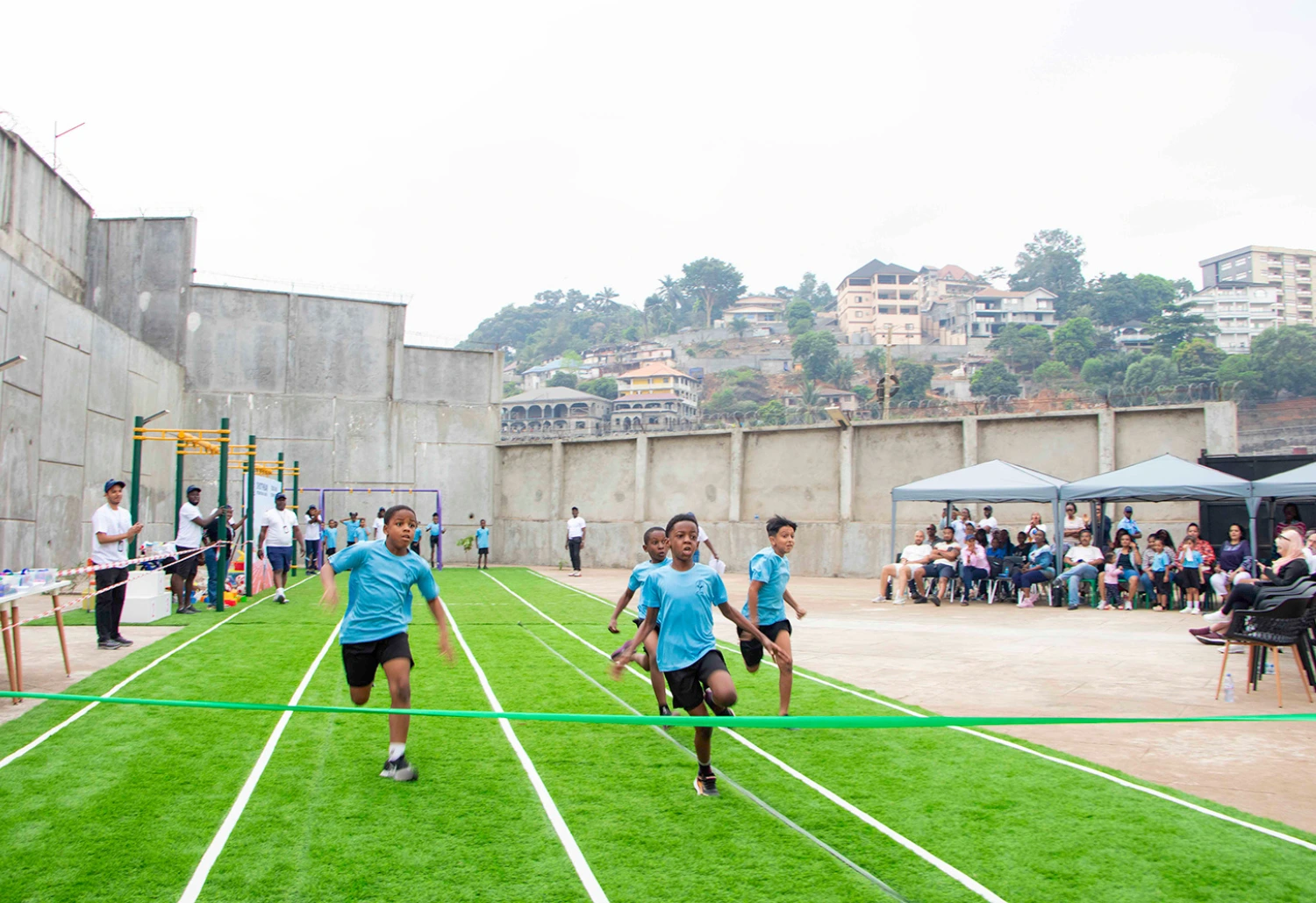
At Choithram International School, Health Education and Physical Education programs encourage students to participate in sports, outdoor activities, and wellness initiatives. These initiatives help create a school culture where health and fitness are valued alongside academic excellence.
Why Health Education and Physical Education Matter in Sierra Leone?
The growing emphasis on Health Education and Physical Education in Sierra Leone reflects the need for a balanced approach to learning.
Here are some key reasons why these subjects are important:
1. Promoting Healthy Lifestyles
Students learn how to maintain healthy routines through exercise, nutrition, and hygiene.
2. Improving Academic Performance
Physical activity improves brain function, concentration, and memory.
3. Building Confidence and Discipline
Sports and fitness activities help students develop self-confidence and teamwork skills.
4. Preventing Health Issues
Awareness of physical health education can help reduce the risk of lifestyle-related diseases.
5. Encouraging Social Skills
Team sports teach cooperation, leadership, and communication.
When schools invest in health and physical education, they are not only teaching students about fitness but also preparing them for healthier, more productive lives.
Final Note
The importance of education goes far beyond academic achievement. In modern learning systems, especially in Sierra Leonean education, schools must focus on developing the whole child.
By incorporating Health Education and Physical Education into the curriculum, institutions like Choithram International School ensure that students grow into healthy, confident, and responsible individuals.
Teaching students what health education is, what physical education is, and the value of physical health education creates a strong foundation for lifelong well-being. As education continues to evolve, these subjects will remain essential for shaping healthier communities and brighter futures.
FAQs
1. What is health education?
Health education is the process of teaching students about physical, mental, and emotional well-being. It includes topics like hygiene, nutrition, disease prevention, and healthy lifestyle habits.
2. What is physical education?
Physical education is a school subject that focuses on physical activities such as sports, exercise, and fitness training to improve strength, coordination, and overall health.
3. Why is the importance of health education growing in schools?
The importance of health education is growing because it helps students develop healthy habits early in life and understand how lifestyle choices impact their long-term well-being.
4. How does physical education benefit students?
Physical education improves fitness, boosts concentration, reduces stress, and helps students develop teamwork and leadership skills.
5. Why is health and physical education important in Sierra Leone?
In education, health, and physical education are important because they help students develop healthy habits, improve physical fitness, and build awareness of overall well-being.
leave a reply
Your email address will not be published. Required fields are marked *